
 English
 中文简体
中文简体 русский
 日本語
日本語 Français
 Español
 عربى
عربىsa
ما هو المكبس للكرتون؟ يواجه مصنع التعبئة والتغليف الذي ينتج طنين من الورق المموج يوميًا مشكلة مألوفة: يملأ الورق المقوى السائب حاوية أربعين ي...
اقرأ المزيدمعدات لمراكز معالجة النفايات البلدية. هيكل مقوى مقاوم للتآكل. يتوافق نظام جمع الرشح الاختياري مع معايير الانبعاثات البيئية.
كل
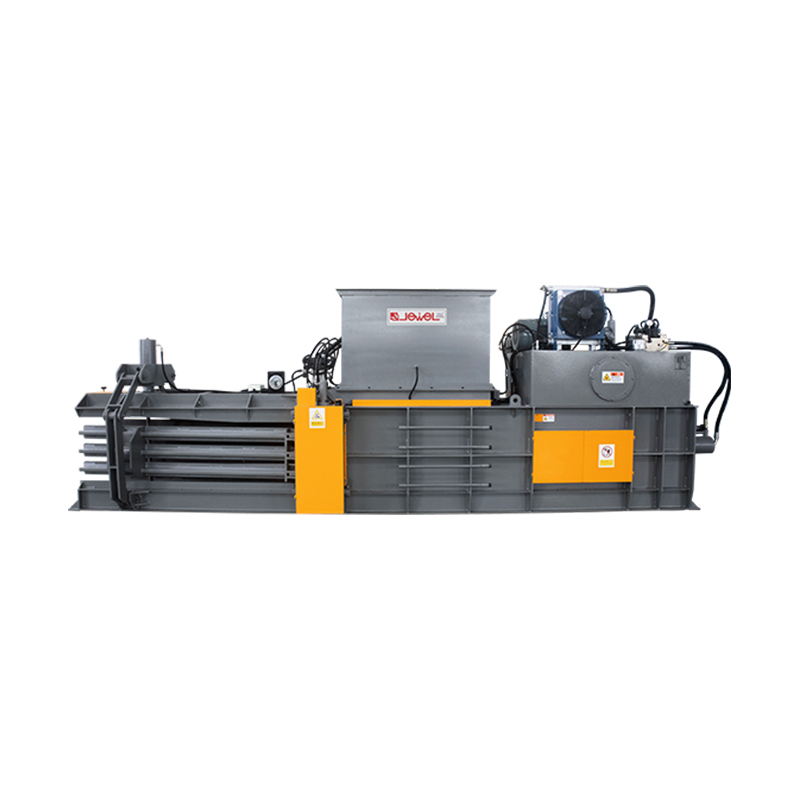
نطاق التطبيق:
اكتشف المزيد
أضف إلى قائمة الرغبات
تمت الإضافة √
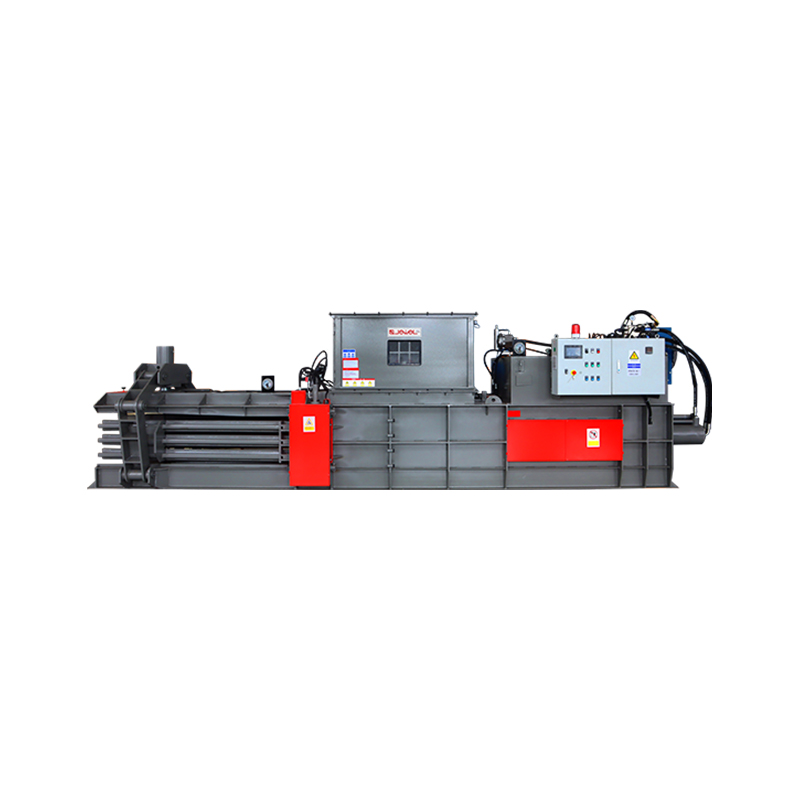
نطاق التطبيق:
اكتشف المزيد
أضف إلى قائمة الرغبات
تمت الإضافة √
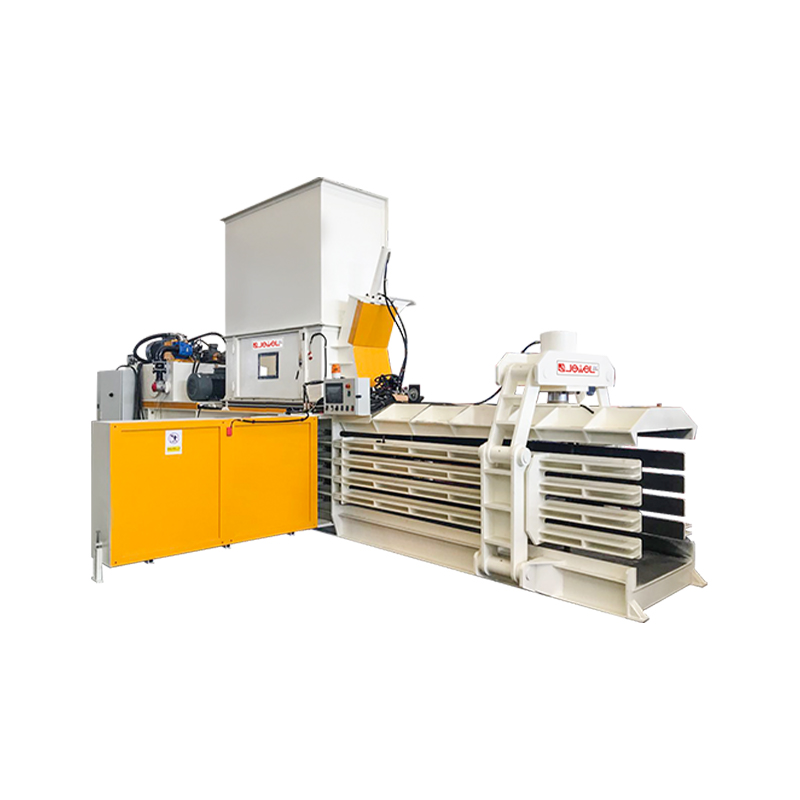
نطاق التطبيق:
اكتشف المزيد
أضف إلى قائمة الرغبات
تمت الإضافة √
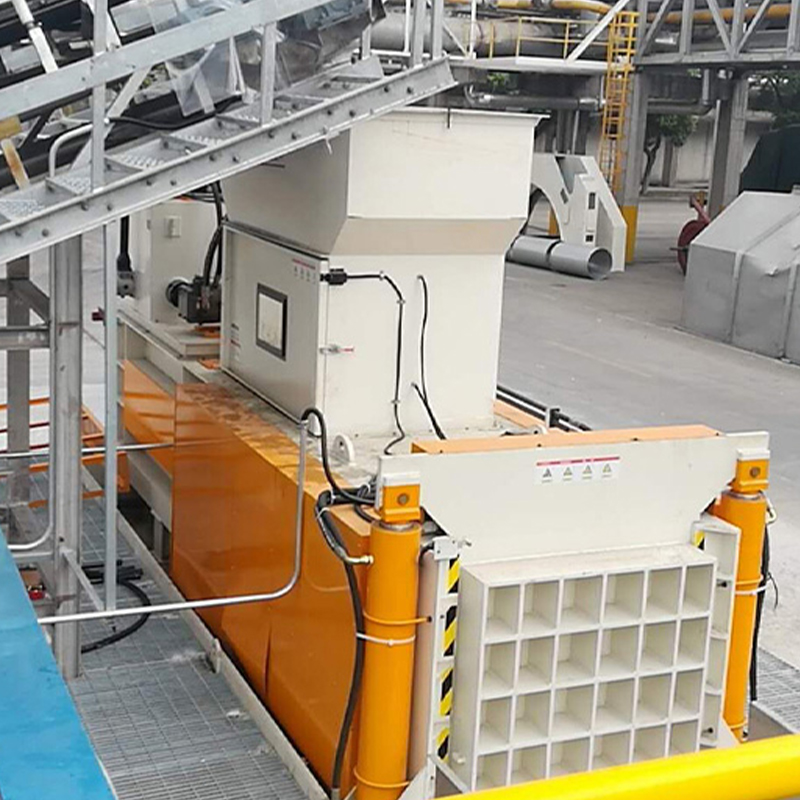
نطاق التطبيق:
اكتشف المزيد
أضف إلى قائمة الرغبات
تمت الإضافة √
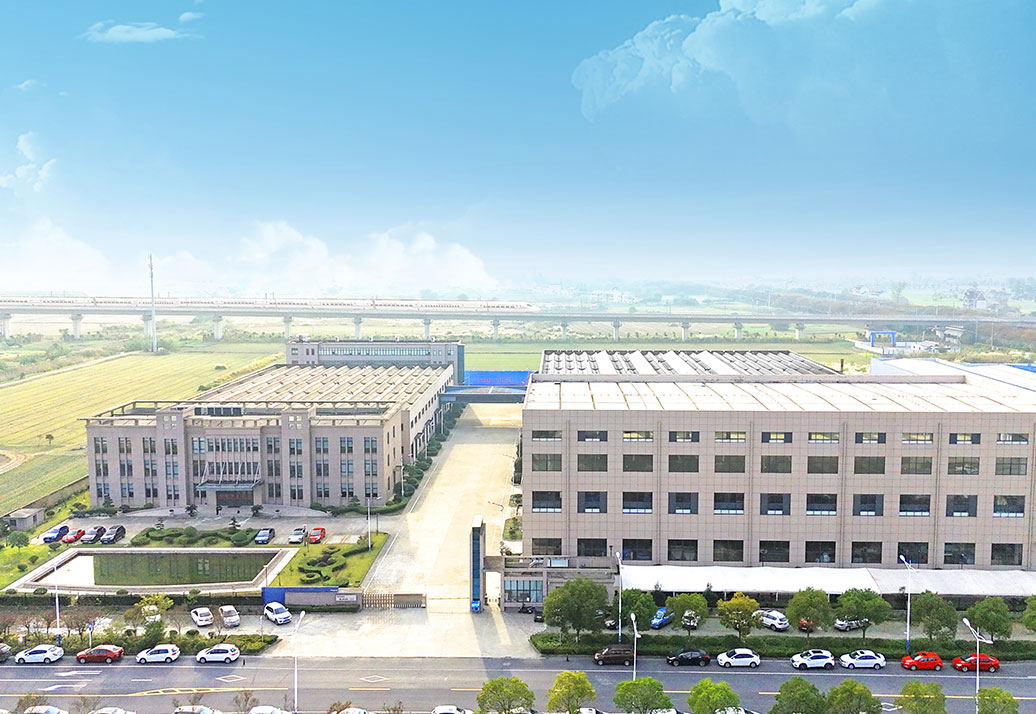
مثل مكبس النفايات الصلبة (القمامة) الأفقي الأوتوماتيكي بالكامل المصنعون و مكبس النفايات الصلبة (القمامة) الأفقي الأوتوماتيكي بالكامل الموردون، Shanghai Jewel Tech Co., Ltd.، تأسست في عام 2006 (تأسست العلامة التجارية في عام 1995)، متخصصة في البحث والتطوير وتصنيع معدات الضغط والكبس الصديقة للبيئة والذكية. نحن نمتلك منشأة إنتاج حديثة بمساحة 50,000 متر مربع وفريق يضم أكثر من 200 محترف.
بفضل خبرتنا التصنيعية الواسعة، نقدم لعملائنا:
آلات ضغط وكبس شبه أوتوماتيكية/أوتوماتيكية بالكامل. أنظمة إزالة النفايات الذكية لمختلف الصناعات. أنظمة الضغط والتغليف الأوتوماتيكية. آلات متكاملة للتكسير والضغط والكبس. حلول صناعية مخصصة.
ما هو المكبس للكرتون؟ يواجه مصنع التعبئة والتغليف الذي ينتج طنين من الورق المموج يوميًا مشكلة مألوفة: يملأ الورق المقوى السائب حاوية أربعين ي...
اقرأ المزيدالجواب القصير أولا أظهر لي مدير إنتاج في مصنع تعبئة وتغليف مموج صورتين فوتوغرافية مؤخرًا. الأول كان عبارة عن جدار من الورق المقوى والأغشية البلاستيك...
اقرأ المزيدالمكبسات الأفقية لضغط المواد ذات الحجم الكبير: نظرة عامة فنية تواجه مصانع التصنيع ومراكز التوزيع ومرافق إعادة التدوير التي تولد كميات كبيرة من الورق...
اقرأ المزيدمصممة بشكل صحيح آلة المكبس يفعل أكثر من مجرد ضغط النفايات - فهو يغير كيفية إدارة المنشأة للمساحة والعمالة والخدمات اللوجستية الصادرة. س...
اقرأ المزيدA fully automatic horizontal solid waste baler is designed to process large volumes of mixed or sorted waste materials into compact, transportable bales. These machines are widely used in recycling centers, waste transfer stations, and industrial facilities where continuous operation and high throughput are required. The system integrates feeding, compression, tying, and discharge processes into a single automated workflow. Due to the diversity of solid waste streams, factors such as moisture content and impurity levels play an important role in determining how effectively the baler performs during operation.
Moisture content directly affects the compressibility and handling characteristics of solid waste materials. Materials with moderate moisture levels may compress more easily due to reduced internal friction, but excessive moisture can lead to operational complications. When waste contains high levels of water, it may reduce bale stability, cause leakage during storage, and increase the load on the hydraulic system. Additionally, wet materials may stick to chamber walls or conveyor components, leading to interruptions in continuous operation. For this reason, many facilities aim to maintain moisture levels within a manageable range before feeding materials into the baler.
Different categories of solid waste respond differently to moisture during the baling process. While exact tolerances depend on machine design and configuration, general reference ranges are often considered during system planning and operation.
| Material Type | Suggested Moisture Range | Operational Consideration |
| Paper and Cardboard | 5% – 12% | Higher moisture may reduce bale rigidity |
| Plastic Films | Below 10% | Excess water may affect tying stability |
| Textile Waste | 8% – 15% | Moderate moisture supports compression |
| Mixed Municipal Waste | Variable (10% – 25%) | Requires system adaptability |
Impurities in solid waste refer to non-target materials such as metals, stones, glass fragments, or oversized objects that may enter the baling system. These elements can interfere with the compression process, cause uneven bale formation, and increase wear on internal components. In fully automatic systems, impurities may also disrupt sensors, conveyors, or tying mechanisms. For example, hard objects can damage cutting tools or block the compression chamber, leading to downtime and maintenance requirements. Therefore, controlling impurity levels is an important part of maintaining stable operation.
Understanding the types of impurities typically found in waste streams helps operators implement appropriate pre-processing measures. The following table outlines common impurity categories and their potential impact on baler performance.
| Impurity Type | Source | Effect on Equipment |
| Metal Objects | Packaging waste, industrial scrap | May damage hydraulic components or chamber surfaces |
| Glass Fragments | Household or commercial waste | Can cause abrasion and safety concerns |
| Stones and Sand | Collection and transportation process | Increase wear on moving parts |
| Oversized Items | Improper sorting | May block feeding or compression chamber |
To ensure efficient operation, many facilities incorporate pre-treatment steps before materials enter the baler. These steps may include manual or automated sorting, shredding, and moisture reduction processes. Sorting systems remove large or hazardous impurities, while shredders reduce material size for more uniform compression. In cases where moisture levels are high, dewatering or air-drying methods may be applied. Shanghai Jewel Tech Co., Ltd. offers integrated solutions that combine crushing, compression, and baling functions, allowing users to manage material characteristics more effectively within a single system.
Modern fully automatic horizontal balers are designed with a degree of flexibility to handle variations in material conditions. Advanced hydraulic systems and intelligent control units can adjust compression force and cycle parameters based on real-time feedback. This adaptability allows the machine to process materials with varying moisture levels and impurity content without constant manual adjustment. However, while the system can accommodate certain variations, maintaining consistent input quality still contributes to smoother operation and longer equipment life.
The quality of input materials influences not only the operational stability of the baler but also the characteristics of the final bale. Materials with controlled moisture and low impurity levels tend to produce bales with more uniform density, stable shape, and easier handling during storage and transportation. In contrast, inconsistent material conditions may lead to irregular bale formation, reduced stacking efficiency, and potential issues during downstream recycling processes. This makes upstream material management an important consideration for facilities aiming to optimize their baling operations.
In industrial environments where large volumes of solid waste are processed daily, maintaining control over moisture and impurity levels supports continuous and predictable operation. Equipment selection should take into account the typical characteristics of the waste stream, including seasonal variations and source differences. Manufacturers such as Shanghai Jewel Tech Co., Ltd. provide customized solutions that align machine configuration with specific material conditions, ensuring that the baler can operate effectively within the intended application environment.
Q: How does a fully auto horizontal solid waste baler handle continuous high-volume waste streams?
A: The machine is designed with an automated feeding and compression system that allows continuous operation without frequent stops. It can be integrated with conveyors and sorting lines, enabling steady material input while maintaining consistent compression cycles and output efficiency in high-volume environments.
Q: What factors influence the bale density produced by this type of baler?
A: Bale density is influenced by material type, moisture content, compression force, and cycle time. The control system adjusts hydraulic pressure and compression duration to match the characteristics of the incoming waste, helping maintain stable bale density across different material batches.
Q: Can the baler be integrated with other waste processing equipment?
A: Yes, fully automatic horizontal solid waste balers are often part of a larger waste management system. They can be connected with shredders, sorting systems, and conveyors. Shanghai Jewel Tech Co., Ltd. provides customized integration solutions to match specific operational layouts and requirements.
Q: How does the system manage different types of mixed solid waste?
A: The baler is equipped with adaptable control systems that respond to variations in material composition. It adjusts compression parameters based on resistance and load feedback, allowing it to process mixed waste streams that include plastics, paper, textiles, and other recyclable materials.
Q: What safety features are typically included in this equipment?
A: Safety features may include emergency stop systems, overload protection, automatic fault detection, and protective guarding around moving components. These features help reduce operational risks and support safe use in industrial environments.
Q: How does automation affect operational consistency?
A: Automation ensures that each compression cycle follows predefined parameters, reducing variability caused by manual operation. This results in more uniform bale size and weight, which improves storage efficiency and simplifies transportation planning.
Q: What maintenance considerations are important for long-term use?
A: Regular inspection of hydraulic components, monitoring oil condition, and checking wear parts such as seals and cutting elements are essential. Keeping the system clean and addressing minor issues early helps maintain stable performance and reduce unexpected downtime.
Q: How does the equipment contribute to reducing waste handling costs?
A: By compressing loose waste into dense bales, the machine reduces storage space requirements and lowers transportation frequency. The automated process also reduces labor involvement, which helps facilities manage operational costs more effectively over time.

أنواع النفايات
الفئات
 مخصص مكبس النفايات الصلبة (القمامة) الأفقي الأوتوماتيكي بالكامل الموردون